10 Ways Blockchain Enhances Food Tracking and Traceability in the Agriculture Supply Chain

10 Ways Blockchain Enhances Food Tracking and Traceability in the Agriculture Supply Chain
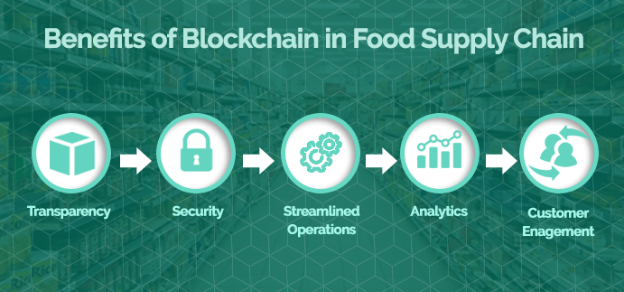
In the quest to enhance transparency and trust in our food systems, Blockchain has emerged as a game-changing technology. It holds immense potential to revolutionize food tracking and traceability within the agriculture supply chain, creating a new era of accountability and safety. Let’s explore the top 10 ways in which Blockchain is transforming food tracking and traceability.
1. Real-Time Traceability
Perhaps the most significant benefit of blockchain technology is its ability to provide real-time traceability. Every transaction made within the blockchain network is recorded instantly and stored securely. This means that the journey of a food item from farm to table can be traced in real-time, providing accurate and up-to-date information about its origins, processing, and distribution.
2. Immutable Records
Blockchain operates on a decentralized ledger system, making the records immutable. Once a piece of information is entered into the blockchain, it cannot be tampered with or altered, ensuring the data’s integrity. This feature is critical in the food industry where accurate and secure records can prevent fraudulent activities and ensure the quality and safety of products.
3. Enhanced Transparency
Blockchain’s decentralized nature fosters transparency across the agriculture supply chain. Each participant in the network can access the data and verify the authenticity of the products. This level of transparency fosters trust among consumers and stakeholders, enhancing the overall credibility of the supply chain.
4. Efficient Recall Process
In the event of a food safety issue, blockchain can dramatically speed up the recall process. By tracing the product’s journey through the supply chain, blockchain can quickly identify where the problem originated and which products need to be recalled. This minimizes the risk to consumers and reduces the financial impact on businesses.
5. Verification of Certifications
For consumers seeking organic, fair-trade, or other certified products, blockchain provides a reliable way to verify these claims. By recording each step of the production process, blockchain can validate the certifications, giving consumers confidence in the authenticity of the products they purchase.
6. Reduced Fraud
Food fraud is a significant concern in the agriculture supply chain. Blockchain can combat this issue by providing a transparent and tamper-proof record of each product’s journey. This makes it nearly impossible for fraudsters to manipulate data or introduce counterfeit products into the supply chain.
7. Streamlined Operations
Blockchain can help streamline operations and reduce inefficiencies in the agriculture supply chain. By providing a transparent view of the supply chain, businesses can identify bottlenecks, optimize resources, and enhance their operational efficiency. This can lead to cost savings and improved profitability.
8. Fair Compensation for Farmers
Blockchain can ensure fair compensation for farmers by providing a transparent record of transactions. This allows farmers to verify that they are being paid fairly for their produce and can help to build trust between farmers and other stakeholders in the supply chain.
9. Enhanced Consumer Engagement
By providing consumers with detailed information about the origins and journey of their food, blockchain can enhance consumer engagement. Consumers can scan a QR code on the product to access its complete history, fostering a connection between consumers and their food. This can lead to increased consumer loyalty and satisfaction.
10. Facilitation of Regulatory Compliance
Regulatory compliance is a significant challenge in the agriculture supply chain. Blockchain can facilitate this process by providing a transparent, immutable record of all transactions and activities. This can make it easier for businesses to demonstrate compliance with food safety regulations, reducing the risk of penalties and enhancing their reputation.
In conclusion, blockchain holds enormous potential to revolutionize food tracking and traceability in the agriculture supply chain. By providing real-time traceability, immutable records, and enhanced transparency, it can foster trust, improve efficiency, and ensure the safety and quality of food products. While challenges remain in terms of implementation and adoption, the benefits offered by blockchain make it a promising solution for the future of the agriculture supply chain.
About dFarm
dFarm is a leader in supply chain optimization for the agriculture sector. We utilize blockchain and other technologies to deliver secure and comprehensive food tracing and traceability solutions for growers, retail, and all intermediate operations.