Data-Driven Insights and Interconnectivity: Optimizing Decision-Making in the Food Supply Chain
Data-Driven Insights and Interconnectivity: Optimizing Decision-Making in the Food Supply Chain
The food supply chain is a complex web of processes that includes farming, storage, transportation, packing, processing, and distribution. These operations, influenced by an array of variables, significantly impact the quality, safety, cost, and availability of food. In an era where efficiency and sustainability are paramount, businesses in the food industry must leverage the power of richer supply chain data and operational interconnectivity to optimize decision-making.
Dissecting the Food Supply Chain
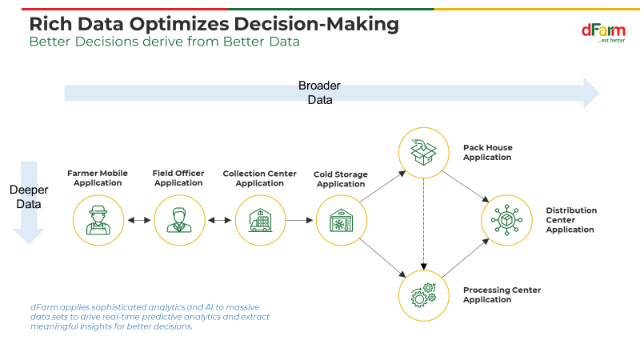
Before delving into the role of data and connectivity, it’s essential to understand the intricacies of the food supply chain. This starts with the cultivation of crops or rearing of animals, followed by harvesting and storage. The produce is then transported to facilities for packing and processing into consumable goods. These goods are then distributed through various channels, finally reaching the consumers.
Each step of this journey is influenced by various factors such as weather conditions, market trends, logistics, and consumer behavior. The decisions made at each stage can significantly impact the entire supply chain, underscoring the need for comprehensive, accurate data and seamless connectivity between operations.
Unlocking the Power of Rich Data
The advent of the digital age has resulted in an exponential increase in the volume and variety of data available. This rich data, when harnessed effectively, can transform every aspect of the food supply chain.
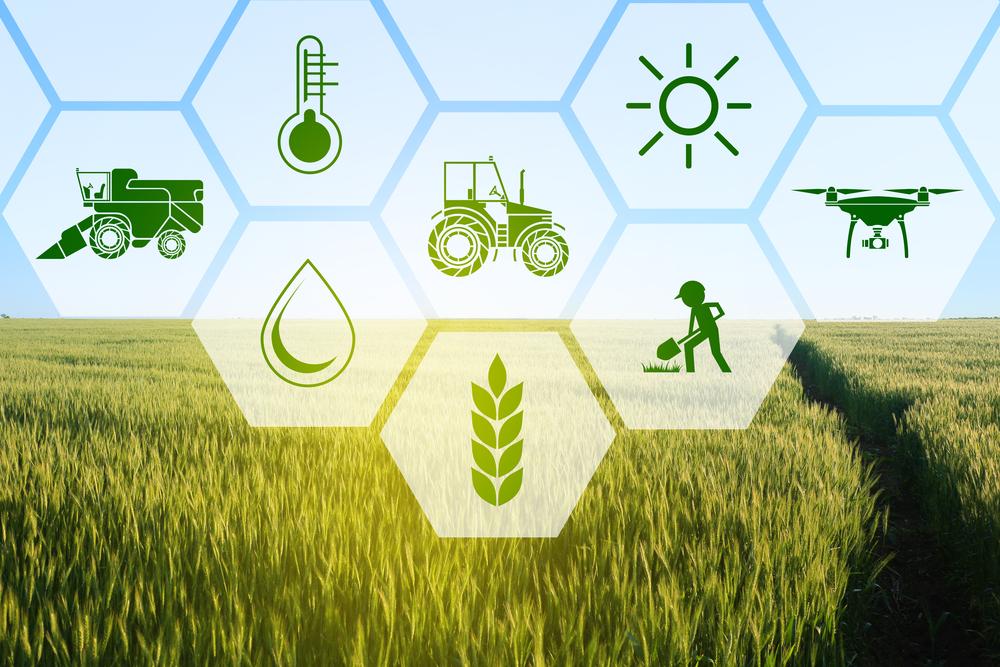
Enhanced Farming Practices: Technologies such as drones, IoT devices, and remote sensing satellites provide detailed insights into conditions at the farm level, including soil health, crop growth, and weather patterns. This data can guide farmers in optimizing their use of resources, improving yields and reducing environmental impact.
Predictive Supply and Demand Forecasting: Historical data, current market trends, and advanced machine learning algorithms can be used to anticipate future supply and demand with remarkable accuracy. This capability helps to mitigate risks associated with overproduction and underproduction, ensuring alignment between the supply of food and market demand.
Improved Traceability: With increasing consumer awareness about food safety and sustainability, traceability is a crucial aspect of the food supply chain. Technologies such as blockchain and IoT can provide a secure, tamper-proof record of a product’s journey from farm to fork, enhancing transparency and consumer trust.
The Significance of Linking Operations
While access to rich data provides valuable insights, its true potential can only be unlocked when all the operations within the food supply chain are interconnected.
Efficient Inventory Management: Linking data from production, storage, transportation, packing, processing, and distribution can significantly enhance inventory management. By accurately predicting demand fluctuations, businesses can adjust their production schedules and logistics accordingly, minimizing waste and maximizing profitability.
Proactive Risk Management: The integration of data from diverse sources allows businesses to identify potential disruptions and risks before they occur. By analyzing patterns and trends in this integrated data, businesses can anticipate issues such as supply shortages, logistic disruptions, or market changes, and formulate effective response strategies.
Improved Collaboration: A fully integrated supply chain allows for seamless data sharing across all stakeholders. This not only fosters collaboration but also ensures alignment in decision-making, leading to increased efficiency and effectiveness of the entire supply chain.
Challenges and Opportunities
Transitioning towards a data-driven, interconnected food supply chain is not without challenges. Issues surrounding data security, privacy, and the digital divide must be addressed. Additionally, building the necessary digital skills and literacy to interpret and use the data effectively is a significant task. However, these challenges also present opportunities for innovation, skill development, and growth in the digital and tech sectors.
Conclusion
In conclusion, the integration of richer food supply chain data and the linking of all supply chain operations offer a transformative approach to decision-making in the food industry. As we strive to feed an ever-growing global population amidst an array of environmental, social, and economic challenges, this data-driven approach will be crucial in enhancing the resilience, efficiency, and sustainability of our food supply chains. The future of the food industry lies in unlocking the potential of this rich data and embracing the power of interconnectivity.
About dFarm
dFarm is a leader in supply chain optimization for the agriculture sector. dFarm offers unparalleled transparency and visibility into supply chain dynamics enabling growers, wholesalers, distributors, and other value chain participants to make smarter decisions leading to more efficient sourcing, improved freshness and quality, reduced wastage and spoilage, and tighter cost control.