Food Certification: What Producers Need to Know
Global Food Safety Concerns Drive Record Food Certification
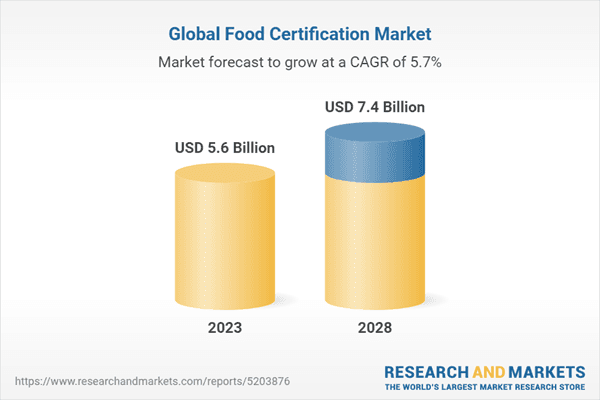
The global food certification market, valued at USD 5.6 billion in 2023, is on an upward trajectory, projected to hit USD 7.4 billion by 2028, boasting a Compound Annual Growth Rate (CAGR) of 5.7%. This growth is attributed to the rising demand for food certifications fueled by the escalating instances of foodborne illnesses worldwide.
According to the CDC, foodborne germs such as listeria monocytogenes, salmonella, toxoplasma gondii, norovirus and campylobacter are major causes of food poisoning. Many of these are increasingly antimicrobial resistant.
Food traceability is essential to ensure food safety. But certification that food meets specific harvesting, processing, storage and transportation regulations is an additional critical element. These compliance certifications must be diligently tracked without interruption from the source farm through all intermediaries to the consumer.
How Do Food Compliance Certifications Help Ensure Food Safety?
- Standardization: Certifications provide a standardized set of guidelines.
- Verification and Validation: Regular inspections and audits validate that processes adhere to standards.
- Traceability: Many certifications emphasize the importance of traceability.
- Training and Skill Development: Staff must be trained in best practices.
- Consumer Confidence: Certifications increase consumer trust.
- Continuous Improvement: Standards evolve as new risks emerge.
- Supply Chain Oversight: Certifications consider the entire supply chain.
- Access to Best Practices: Certification bodies provide the latest research.
- Global Compatibility: Internationally recognized certifications enable global trade.
- Legal and Regulatory Compliance: Certifications demonstrate compliance with regulations.
- Risk Management: Certifications help identify and manage operational risks.
In essence, food compliance certifications offer a structured approach to food safety.
About dFarm
dFarm's Distributed ERP/SCM solutions track and certify adherence to all major agriculture industry quality compliances – including Organic, Kosher, Halal, HACCP, ISO 22000, Global GAP, BRC, SQF, FSSC, and IFS – through the entire value chain from farm to market.