How Forward Traceability Enhances Food Safety in the US Food Supply Chain
How Forward Traceability Enhances Food Safety in the US Food Supply Chain
In the era of globalization and swift technological advancements, the need for robust, comprehensive, and reliable food supply chains has never been more pronounced. One approach that has the potential to revolutionize the industry and significantly enhance food safety is ‘forward traceability’. This article sheds light on the concept of forward traceability and its instrumental role in bolstering food safety in the U.S.
Unpacking Forward Traceability
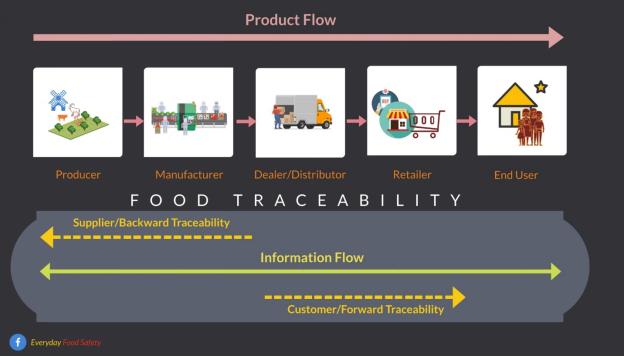
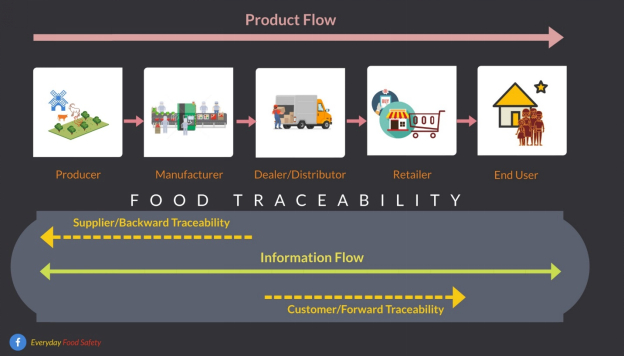
Before delving into the role of forward traceability, it is essential to understand its meaning. In a nutshell, forward traceability refers to the ability to track a food item from its point of origin, through all processing and distribution stages, to the end consumer.
In the context of the food supply chain, it allows for the monitoring and recording of every step a food item takes, from the farm to the dinner table.
The Vital Role of Forward Traceability in Food Safety
So, why does forward traceability matter? Here are several reasons why it’s not just beneficial but vital in today’s interconnected world.
Swift and Efficient Recall of Unsafe Products
Foodborne diseases constitute a significant public health concern. Each year, an estimated 48 million people in the U.S. fall ill due to foodborne diseases, leading to approximately 128,000 hospitalizations and 3,000 deaths.
Implementing forward traceability can help curb these statistics. In case a food item is found to be contaminated or harmful, the ability to accurately trace its journey allows for a swift and efficient recall. This means that unsafe food items can be pinpointed and removed from the shelves promptly, thereby minimizing the risk of foodborne diseases.
Enhanced Supply Chain Transparency
Forward traceability not only protects consumers but also builds trust through increased transparency. It enables consumers to have a clear picture of where their food is coming from, what ingredients it contains, and how it’s been processed and handled. This transparency strengthens consumer confidence and elevates the credibility of food brands, ultimately resulting in enhanced customer loyalty and satisfaction.
Improved Regulatory Compliance
With regulatory bodies like the Food and Drug Administration (FDA) imposing stringent standards on the food industry, compliance has become more challenging. Forward traceability enables companies to meet and exceed these regulatory expectations by maintaining comprehensive records of their products’ journey. This aids in preventing potential legal ramifications and fosters a culture of accountability within the industry.
The Integration of Forward Traceability in the U.S. Food Supply Chain
Recognizing the critical role of traceability in ensuring food safety, the U.S. has taken strides to integrate this system into its food supply chain. Several notable initiatives underline these efforts.
The Food Safety Modernization Act (FSMA)
The FSMA, signed into law in 2011, marked a significant milestone in U.S. food safety regulation. It shifted the focus from merely responding to foodborne illness outbreaks to preventing them. A crucial component of the FSMA is its emphasis on enhanced traceability, reflecting the growing recognition of its importance in food safety.
The New Era of Smarter Food Safety Blueprint
In 2020, the FDA announced the ‘New Era of Smarter Food Safety Blueprint’, aimed at leveraging new technologies to create a more digital, traceable, and safer food system. The blueprint proposes the use of technologies like artificial intelligence (AI), machine learning, blockchain, and Internet of Things (IoT) to strengthen traceability in the food supply chain.
The Role of Technology in Forward Traceability
While the concept of traceability isn’t new, advancements in technology have significantly enhanced its implementation. Digital solutions are revolutionizing how food businesses trace and track their products, providing unprecedented levels of transparency and accuracy.
Blockchain Technology
Blockchain, the technology behind cryptocurrencies like Bitcoin, has found a new application in food supply chains. Its decentralized and immutable nature makes it a perfect fit for tracing food items. Companies like IBM are pioneering the use of blockchain for this purpose, creating systems that allow for the real-time tracking of food products, thereby promoting enhanced food safety.
Internet of Things (IoT)
IoT devices like sensors and RFID tags can provide continuous, real-time data about a product’s status and location. This data can then be used to monitor and ensure the conditions necessary for food safety, such as correct temperatures during transportation and storage. In this way, IoT enhances traceability and ensures the integrity of the food supply chain.
In conclusion, forward traceability plays a pivotal role in enhancing food safety within the U.S. food supply chain. By providing a clear and accurate view of a product’s journey, it allows for prompt action in case of contamination, fosters increased transparency, and ensures regulatory compliance. As technological advancements continue to reshape the industry, the importance of forward traceability in guaranteeing the safety of our food will only continue to grow.
About dFarm
dFarm is a leader in supply chain optimization for the agriculture sector. dFarm offers unparalleled transparency and visibility into supply chain dynamics enabling growers, wholesalers, distributors, and other value chain participants to make smarter decisions leading to more efficient sourcing, improved freshness and quality, reduced wastage and spoilage, and tighter cost control.