Blockchain for Critical Agricultural Data: A Practical Guide
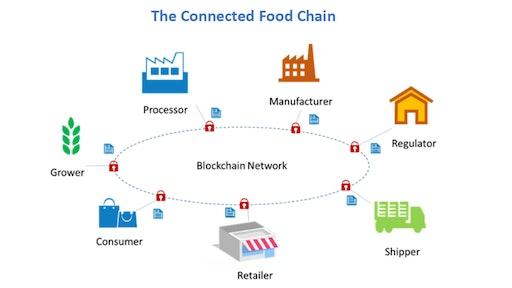
Reinventing the Food Supply Chain: The Crucial Role of Blockchain Technology in Safeguarding Critical Data
The food supply chain is an intricate network of processes that transform a seed on a farm into a product on a consumer's plate. With its complex structure and global scale, the chain generates massive amounts of data at each stage. This data is vital to ensuring food safety, traceability, and authenticity.
Understanding Blockchain Technology
Blockchain is a type of distributed ledger technology that stores data in blocks, which are chained together in chronological order. Each block contains a record of transactions, and once a block is completed, it is added to the chain in a manner that cannot be altered or deleted.
Enhancing Traceability and Transparency
The journey of a food product through the supply chain involves numerous steps – from cultivation and harvesting to processing, packaging, and distribution. Each step generates critical data. Blockchain, with its decentralized and immutable nature, ensures that every piece of information is accurately recorded and easily accessible.
Ensuring Authenticity and Reducing Fraud
Food fraud, such as mislabeling and counterfeiting, is a significant concern in the industry. Blockchain can play a pivotal role in combating food fraud by ensuring the authenticity of products.
Protecting Data Integrity and Privacy
Blockchain addresses the challenge of maintaining transparency and traceability without compromising data privacy by providing both transparency and cryptographic protection of sensitive details.
Empowering Consumers with Information
By scanning a QR code on the product, consumers can view the product's entire journey on the blockchain.
Conclusion: A Revolutionary Shift in the Food Supply Chain
The adoption of blockchain technology in the food supply chain marks a revolutionary shift towards enhanced transparency, traceability, and trust.
About dFarm
dFarm is a leader in supply chain optimization for the agriculture sector. We use emerging technologies like blockchain, big data analytics, IoT, and AI to better collect, store, analyze and interpret the vast data sets we collect.